

Navidad en Colombia

Christmas in Colombia is a fun celebration that gathers the families within the community, as there is a sense of sharing with the community during the Christmas seasons. That sense of sharing has its roots in the Catholic Church, since the Catholic community has made a lasting mark in Colombia history from the colonization of the Spaniards five hundred years ago.
Although there are traditions that rule the celebration, there are some variations across the territory. No matter where you are traveling in the country you will see customs such as the letter to El Niño Dios (Translation: Baby God, or Baby Jesus, there the equivalent to Santa Claus) or the Aguinaldos, which refers to an exchange of gifts between family members or friends. For the children who believe in El Niño Dios, they receive their best gift on the 25th and not earlier because they expect to see the gifts they wanted most brought by El Niño Dios.
December 7th
La Noche de las Velitas
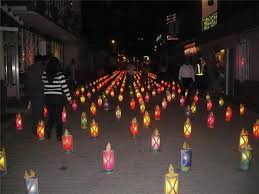
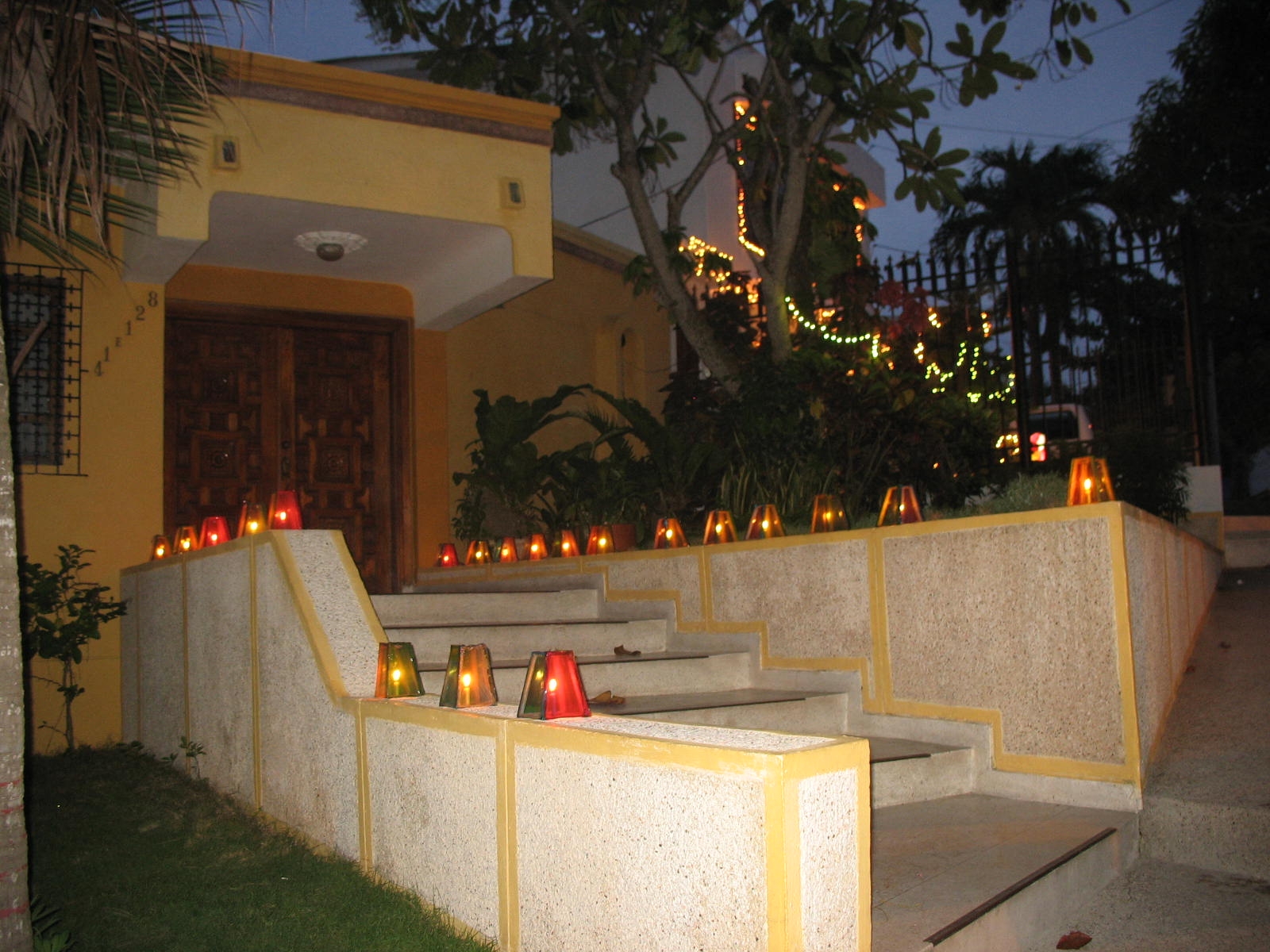
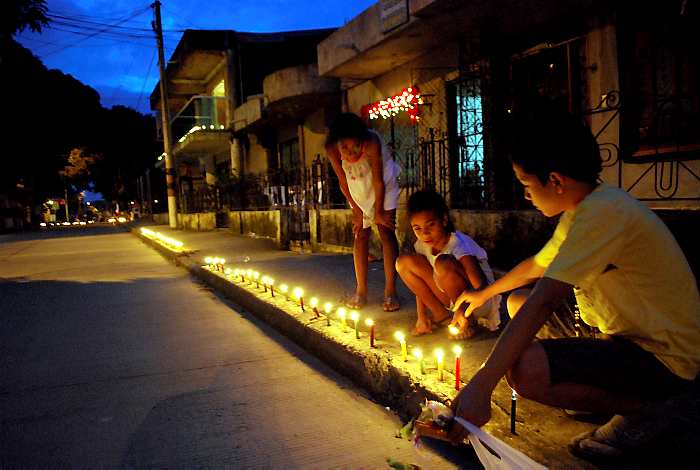
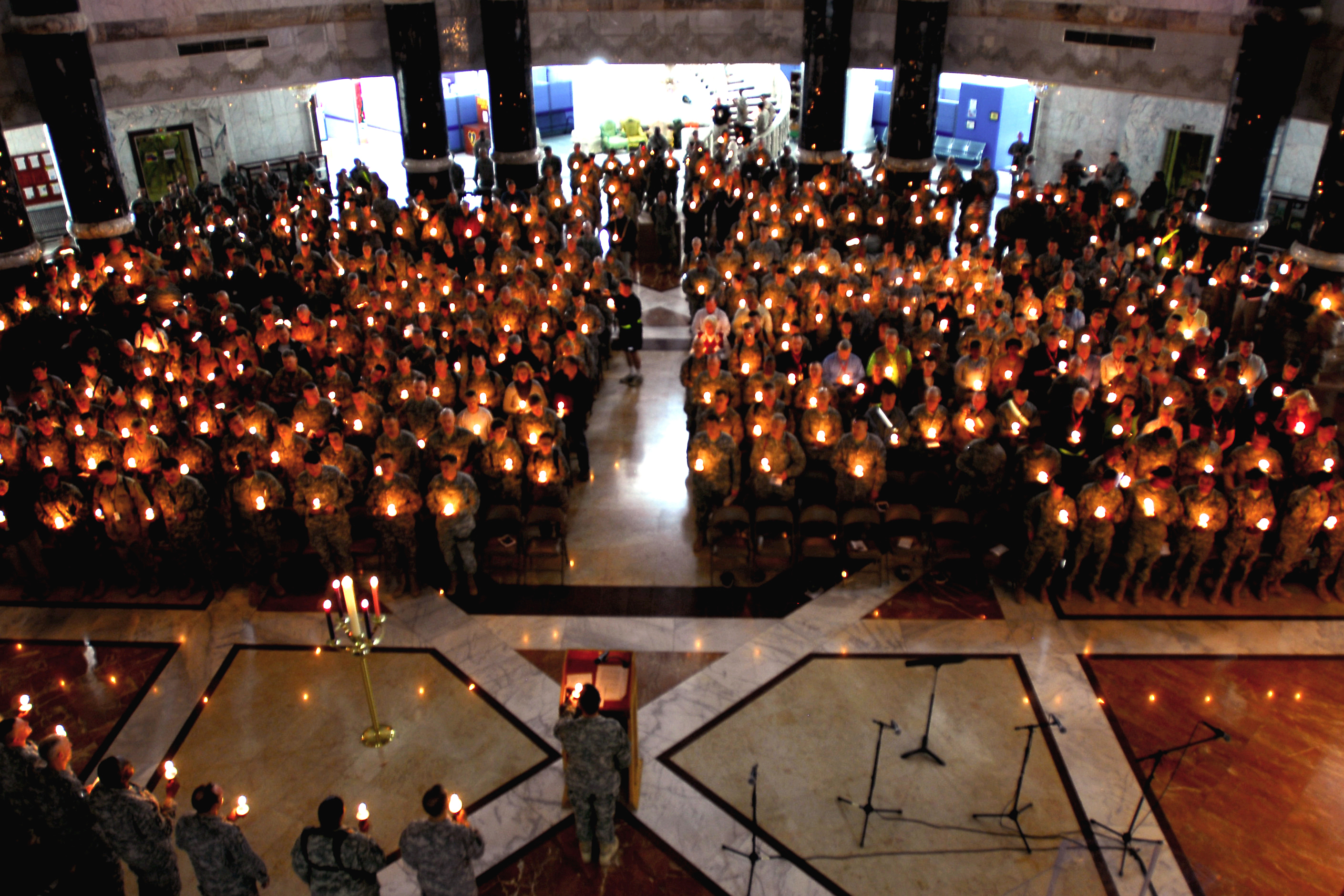
The Christmas season in Colombia starts on December 7th when families light candles in honor of the Virgin Mary. It is celebrated with a display of lights, as each home will light approximately 100 candles on the curb and sidewalk area. City streets and parks are illuminated with large Christmas lights as well.
In Colombia, this is well-known as "la noche de las velitas” (the night of the candles – candlelight night), everything is illuminated with lights, candles, fireworks and little lamps with which we commemorate the moment when the angel appeared in front of the Virgin to request her consent for the conception.
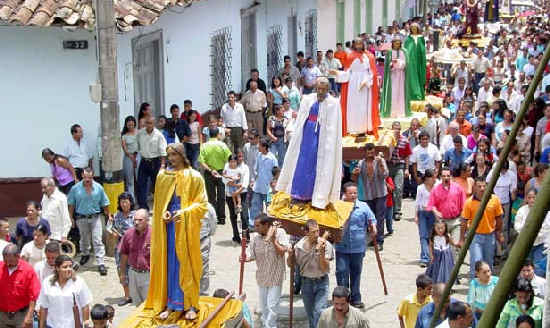
But the lights of this celebration not only are for the living. In many towns, the path to see the lights begins in the cemetery, where the flames represent the prayers for the souls of those who have died. In other places processions with the image of the Virgin are made.



December 8th
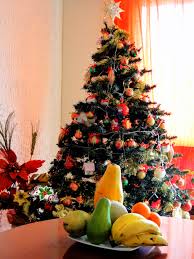
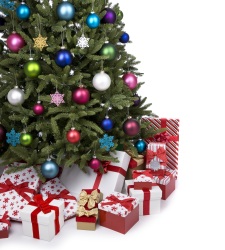
The church celebrates the 8th of December as the day of the Immaculate Conception. This is a Colombian National Holiday and a day of Obligation with the church. Colombian families typically start setting up the Christmas tree - which is artificial for ecological reasons. The Christmas tree is decorated with lights and bowls. Families set up Nativity scenes, which are either plastic, or hand crafted figures. Everyone in the family contributes on this day. Christmas carols begin to be sung.
Historical Fact: The origin of this celebration dates back to the XIX century, when Pope Pius IX declared the dogma of the Immaculate Conception and the believers of all the countries ignited torches and candles in honor of Mary’s virginity. This happened because fourteen centuries ago, Nestorian, patriarch of Constantinople, woke up doubts, because it did not seem possible to him that Mary had conceived a son without having had relations with a man. This questioning were reasons for discussion during centuries. Then, to reaffirm its dogmas of faith, the Catholic Church in head of Pius IX instituted the celebration.
The Christmas Tree (El Arbol de Navidad):
As a Christian symbol, the tree dates back to a medieval legend according to which Adam, before dying, sent his son Seth to the door of Paradise to request oil of the tree of the life, but he only obtained a dry branch and the promise that this one would bring the cure for the human race. When Seth returned, his father already was dead, so he planted the dry branch on his tomb, which grew to become a gigantic tree of which Jesus Christ’s cross would be made later.
The custom to adorn trees goes back to the VIII century, when Boniface was sent to Germany to convert the pagans. The monk saw that they invoked their gods under the trees and there they left presents for them. In one Christmas night, the Germans arranged themselves to sacrifice a boy underneath a tree. Boniface, filled of wrath, cut the trunk, but this one grew again immediately. The monk explained this miracle as a symbol of the new life that Jesus brought to the world; it was not necessary, then, to spill more blood. This way he saved the boy and he obtained a massive conversion.
From that moment, the fir trees began to be adorned; the gifts that are offered in their branches are symbols of the gifts that baby Jesus brought.
The Christmas tree arrived at America with the Germanic soldiers who came to support the British army during the Independence Revolution. Although the victory was for the men of George Washington, the tradition of the Germanic tree persisted in the United States and from it extended there to the rest of the continent.


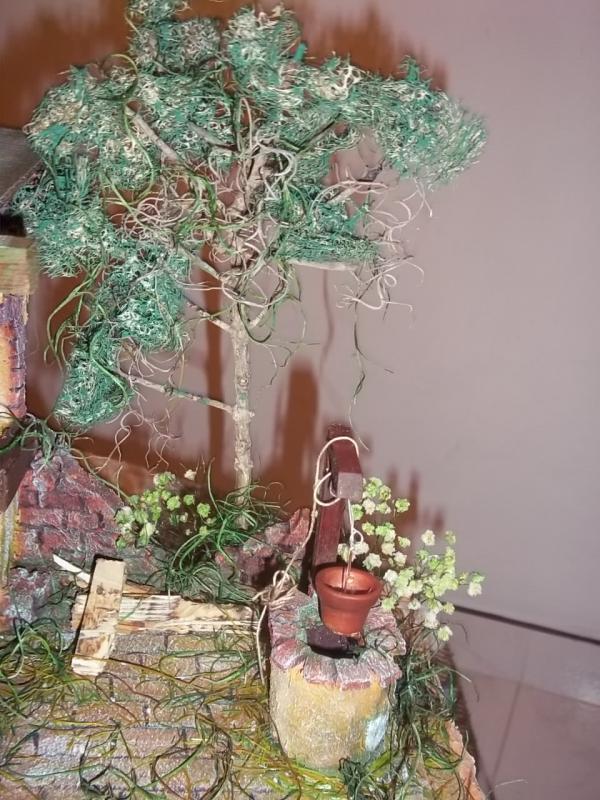
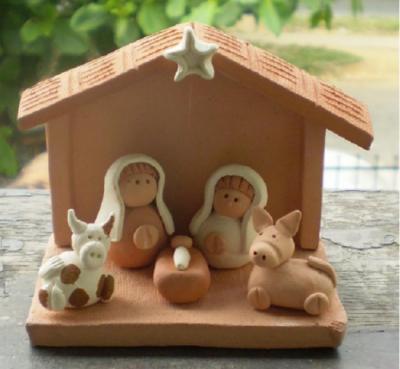
The manger (El Pesebre):
This most beautiful custom had its origin in a grotto of Greco, small Italian town, in the XII century, when St. Francis of Asisi gathered the farmers to act live, and to the light of torches, the birth in Bethlehem.
The Saint dreamed about one massive Christmas, full of celebrations, in which nobody escaped to celebrate the Savior’s birth. For that reason he pleaded the emperor who dictated a law so that on Christmas Eve "all who could, throw wheat and other grains on the road" in order for the birds to rejoice also on that day, and he crossed the villages of the country preaching his joy and calling to all the creatures to praise Christ.
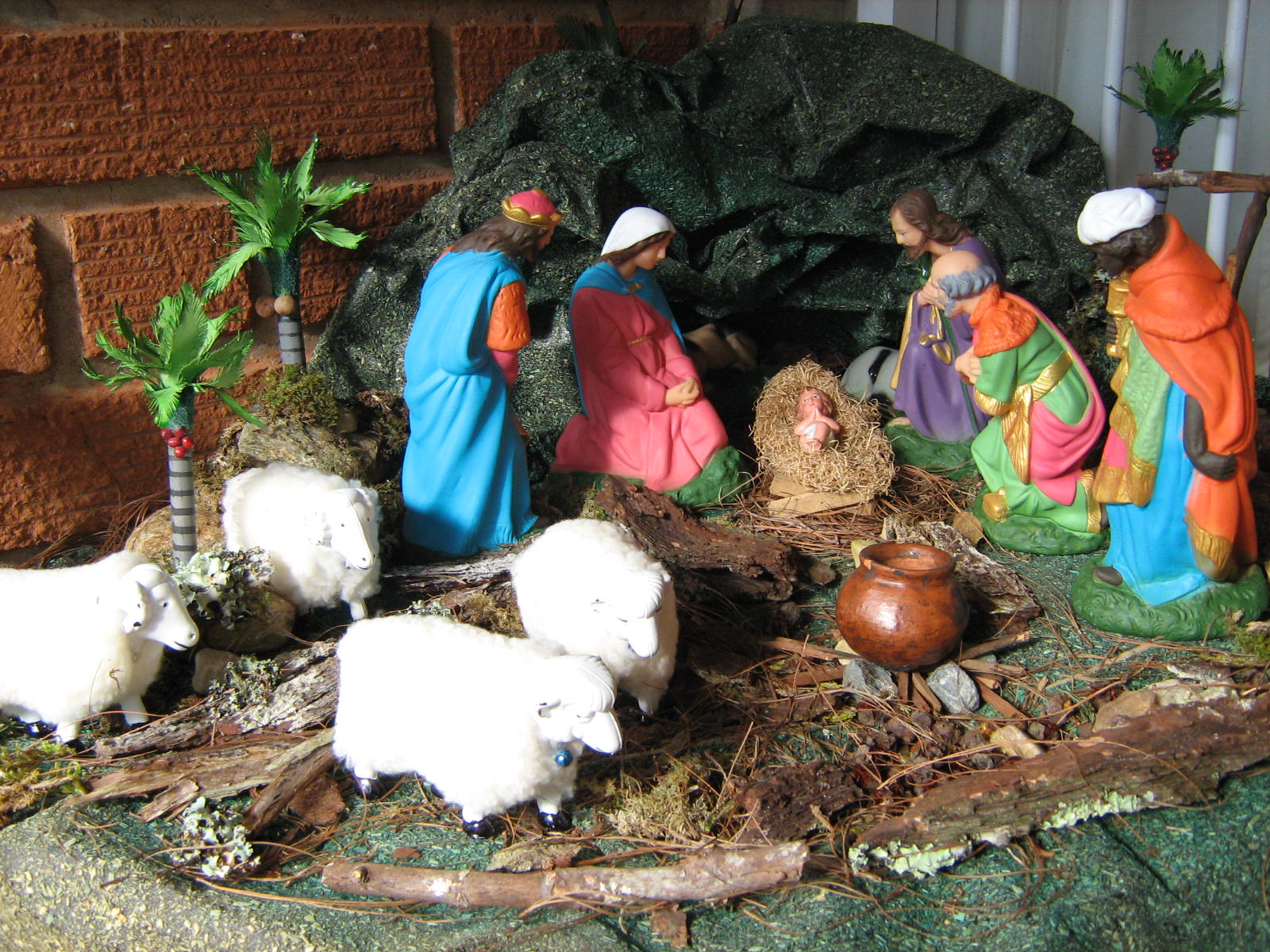
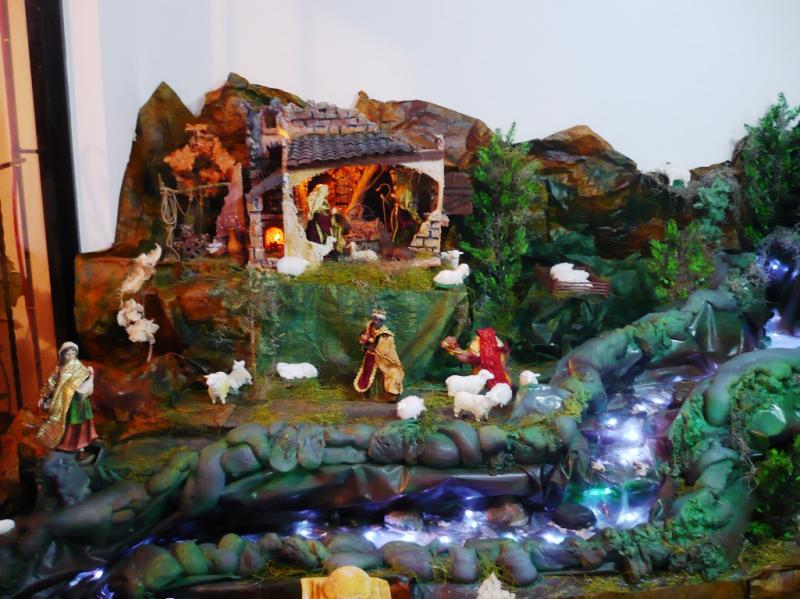
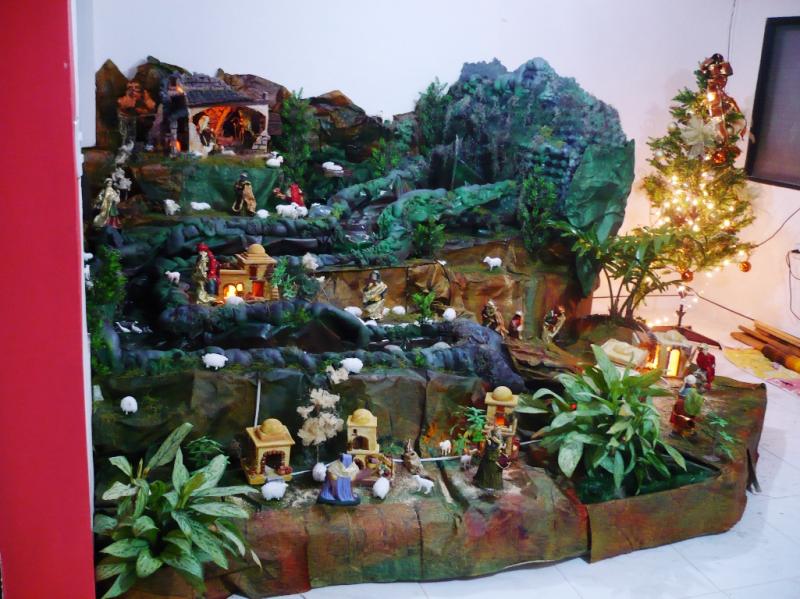
The manger has eight main figures: baby Jesus, the Virgin, Saint Joseph, the donkey, the ox and the three wise men, although nowadays, it also include figures like shepherds and sheep. All this has a particular meaning. For example, the donkey represents the humility whereupon Jesus arrived to the world, and the three wise men represent the recognition of all the people the sovereignty of the Lord.
The scene of the birth is known him with the names of "Bethlehem" in Hebrew, which means “house of bread”, and "manger", from the Latin 'praesepem' that means "box for the food of the animals". The children are used to putting in the box the letter for baby Jesus, a message in which they show all its love and gratitude to him, promise to him to behave well and they request the gifts to him that wish.


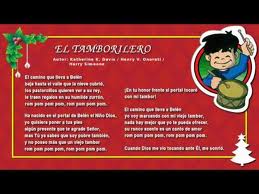
The Carols (Los Villancicos):
The carols are popular songs, generally of farmer origin, with which the town participated of the solemn made ecclesiastical celebrations around the birth of the Son of God. Many of them had their origin in Europe and arrived to America, where they were accompanied by Indian flutes (chirimías), drums and maracas.
Cradle songs, stories of shepherds, praises to the new born baby, comprise the Christmas traditions today anywhere in the world and in any language you can celebrate and adore the most important character of the history of humanity.



December 16th
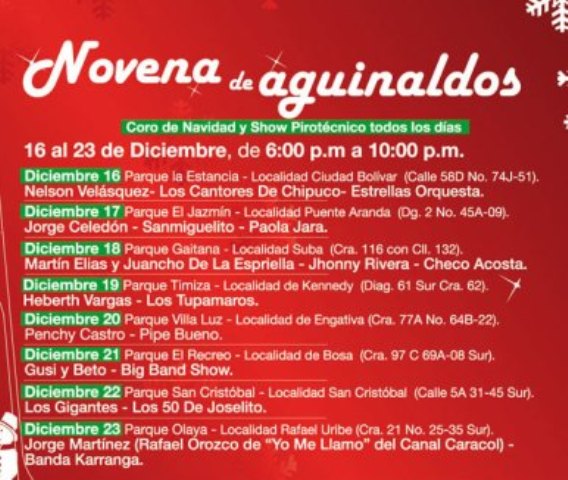
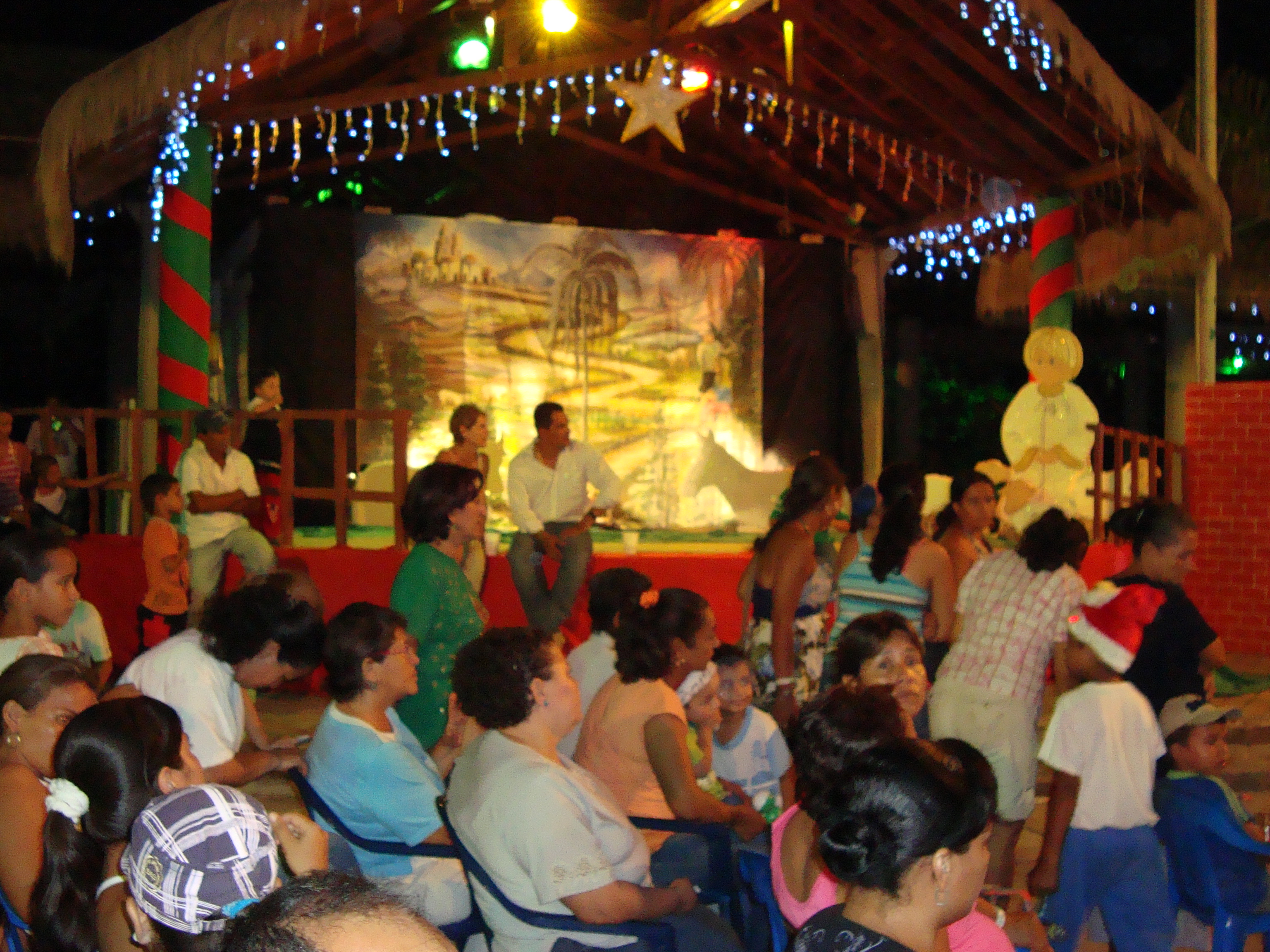
From December 16th through December 24th, families usually gather together at night around Nativity scenes to pray and sing carols in the Novena de Aguinaldos.
La Novena de Aguinaldos (Christmas Advent Prayer)
The Novena is a devotion, consisting of a prayer said over nine successive days from December 16th to December 24th. La Novena de Aguinaldos is a preparation or advent prayer for Christmas telling us what had happened through the nine Month pregnancy of the Virgin Mary and Joseph. It is an old Colombian tradition dating from the 1700s, passing from generation to generation without major changes. Over time the traditional wording has been adapted and changed to for newer generations. Whilst the elderly prefer a more traditional prayer.
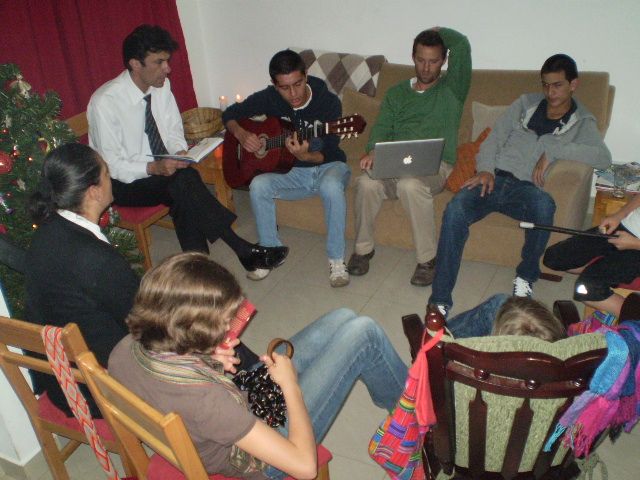
La Novena de Aguinaldos is a family affair, it's a get-together to enjoy La Navidad (Christmas) around the nativity (or Pesebre in Spanish) that is mostly placed under the Christmas Tree. Sharing this tradition is not always with the family, it's also shared with friends, office colleges, neighbors and even on TV. The Novena de Aguinaldos consists of many prayers followed by a particular day prayer. During and after this Christmas prayer, people are very enthusiastic in the participation of carol singing, accompanied by guitars, tambourines and maracas.
Stages of the Novena de Aguinaldos – from the 16th through to the 24th of December typically around 6pm before Dinner.
The parts of a Novena:
- Begin with the Sign of the Cross and start with the
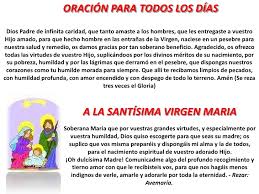
Prayer for Every Day.Prayer for each day:
- Then there's a prayer for the specific day.
12Day 1:
3Day 2:
4Day 3:
5Day 4:
6Day 5:
7Day 6:
8Day 7:
9Day 8:
Day 9:
- Read aloud the specific Novena day prayer.
- You then finish the session with individual prayers.
- Prayer to the Blessed Virgin
Prayer to the Blessed Virgin:
- Prayer to St. Joseph
Prayer to Saint Joseph
- "Los Gozos" – Aspirations of the Coming of the Child Jesus
Los Gozos (Joys)
- The Prayer to the Child Jesus
Prayer to the Child Jesus
Videos of Novenas:
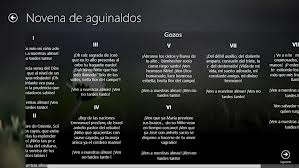
Example A is showing the text of the parts of the Novena.
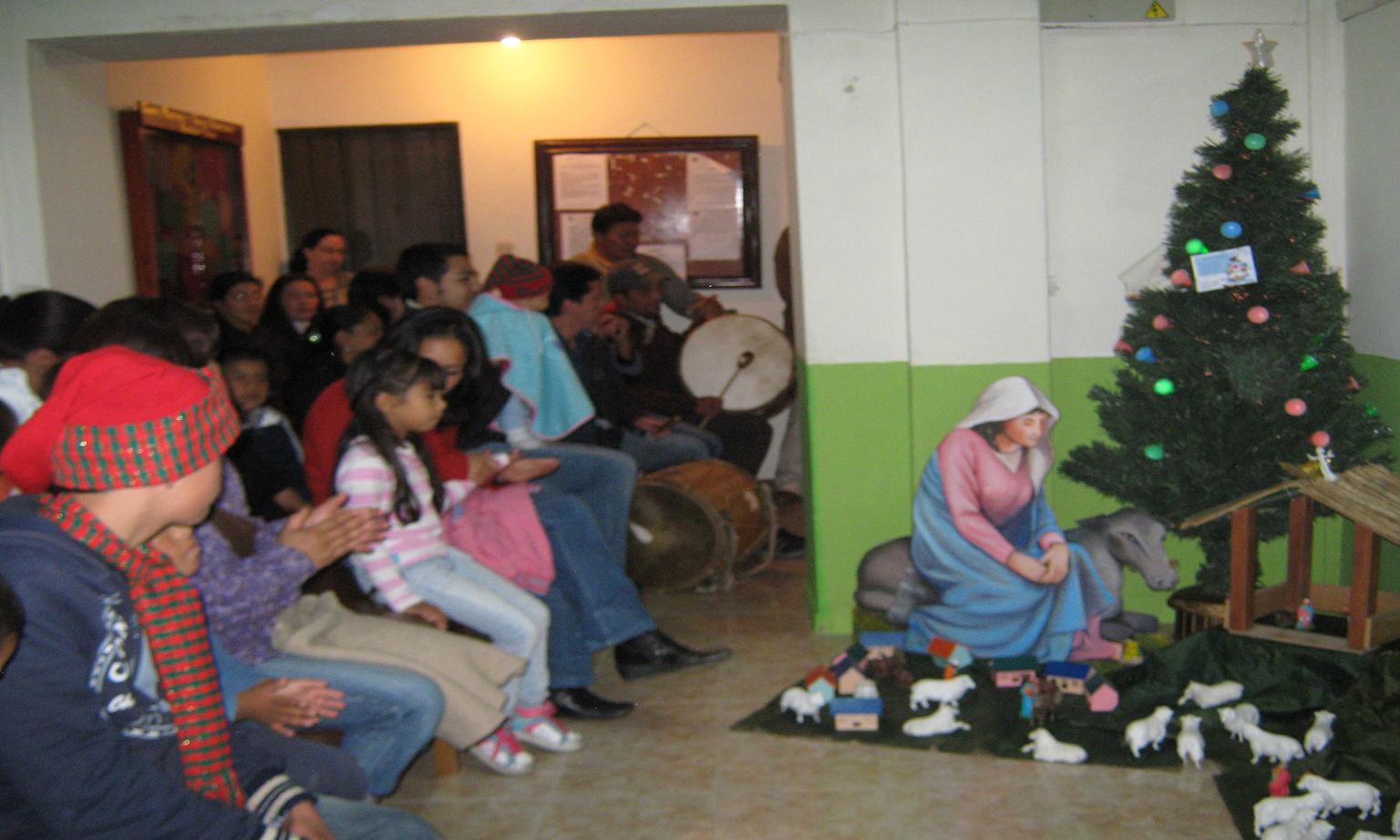
Example B is showing the people in a Novena

Los Juegos de Aguinaldos (The Christmas Gift Games)
This beautiful custom consists of betting "gifts" that the loser of the game offers the winner during the previous days to Christmas. It dates from the Middle Ages, when, in the carnival celebrations, the men got dressed as women and the women as men, to request the gifts. This custom was also performed by the noble, who offered fine horses or money to their relatives and friends.
In the XV century, the conquistadors, enriched by American gold, donated golden altars to the beautiful churches as Christmas gift. The custom became popular and it became a Christmas tradition during the Colonial period.
The English translation of Aguinaldo is Christmas Gift, and it can mean many things depending on the Spanish speaking country where you are from. For example, in Mexico, it refers to the Christmas monetary bonus that people often receive. In Colombia, there is a fun game that people begin to play 9 days before Christmas during the Novena. It is one of the oldest Christmas Traditions in Colombia. The game is often called just Aguinaldos, and though there seems to be some variety in how people play it, the idea remains the same.
You make a agreement with one person, or perhaps several people to play a specific "Mis Aguinaldos" game. Before you play a game, you agree with one or more people to play a particular Aguinaldo game -- rules below. You decide who be on which side of the game and you decide on either a prize for the winner or a punishment for the loser. You seal this agreement with a "Pinky Promise", by linking pinky fingers with your opponent(s), and then cutting through to place the bet or agreement.
The bets are in innocent games. Some of most common are:
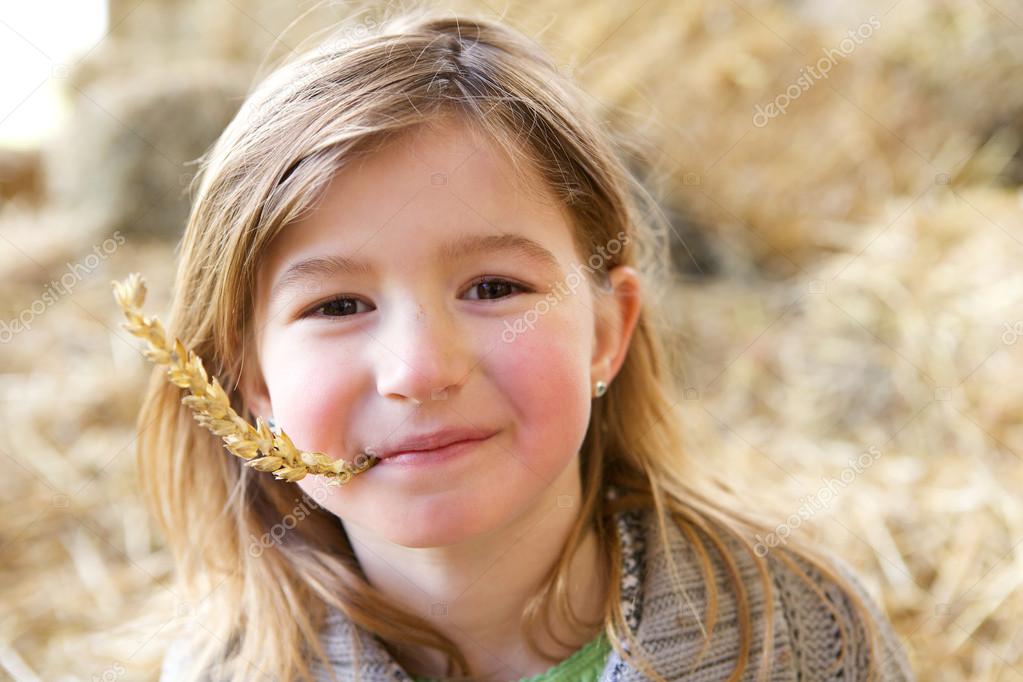
Pajita en boca (Straw in mouth): In this game, one side agrees for keep a piece of straw in their mouth all day -- except during meals. Having something in the mouth is rule to everybody, like a chewing gum, a piece of paper, a toothpick, or a sweet. So one point is lost if a competitor shouts to you “pajita en boca” and you do not have something in your mouth. If the straw falls or is taken out of the mouth, then the opponent yells, "Mis Aguinaldos" and earns a point. The winner is announced on Christmas Eve.
|
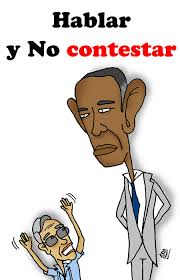
Hablar y no contestar (To speak and not to answer): One is not answering the question that the other player will do at the most unexpected moment. With this game, both sides try to get their opponent to answer questions. If the questions are answered, the asker can yell "Mis Aguinaldos" and earn a point. So the trick is just never to answer a question that is posed to you by your opponent. Keep track of your points and determine the winner on Chrstmas Eve.
|
Tres pies (Three feet): When people agree to play this game one person agrees that they will keep their legs together. The players must always keep their feet together to avoid that the opponent puts a foot in between his feet. Players must be alert all the time (while they are having lunch, walking, or answering the cellphone). So if you allow a player put a foot in between of your feet and yell "Tres Pies, Mis Aguinaldos" and they get a point. Again, you keep track of your points and on Christmas Eve you get your reward for winning or your punishment for losing.
|
El beso robado (The stolen kiss): It consists of giving a kiss in the cheek of the opponent without him/her having the opportunity to avoid it. This game is strictly for couples. You each try to steal a kiss from the other. You should prevent players steal kisses from you, if you let a competitor kiss you, you will lose a point. If you're able to kiss your opponent, you yell "Mis Aguinaldos" and get a point. Again, the winner is determined on Christmas Eve.
|
El sí y el no (Yes and no): When people agree to play this game one person agrees to only answer YES to questions. The other person agrees to only answer NO. Each player must choose an answer, yes or no, and maintain it whatever the question is. If you get the other person to say YES when they should only say NO, you shout "MIS AGUINALDOS", and you get a point and vice versa. You keep track of your points and on Christmas Eve you get your reward for winning or your punishment for losing.
|
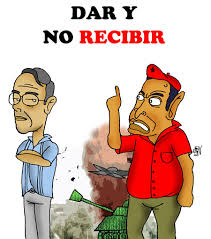
Dar y no recibir (To give and not to receive): When people agree to play this game one person agrees that they will NOT take or receive anything given to him by the other person. One is not receiving anything of the opponent and, simultaneously, looking for the opportunity to give something to the other. You cannot receive anything in the hand. If a player passes to you a pen, a glass or any element, remember don’t receive! You can ask the competitor to put it on a table or in other place and later you take it, because you will lose a point if you receive the object in your hand. If the opponent receives something, I yell, "Mis Aguinaldos" and I get a point. You keep track of your points and on Christmas Eve you get your reward for winning or your punishment for losing.
|


December 24th
Christmas Eve, or Nochebuena, when Colombians have their main Christmas celebration. Families gather today to have dinner, usually late at night, and many people also go to Midnight Mass.
The traditional food is Christmas Eve dinner, along with buñuelos and natilla and sometimes tamales and ajiaco; all typical Colombian Christmas foods. Dinner can be eaten either before or after Midnight Mass, depending on the family.
Presents are traditionally opened at midnight, although some families open presents earlier. Music also usually accompanies the Christmas Eve festivities, usually villancicos – Colombian Christmas carols.
Everyone waits until midnight to wish each other Merry Christmas and to exchange gifts.
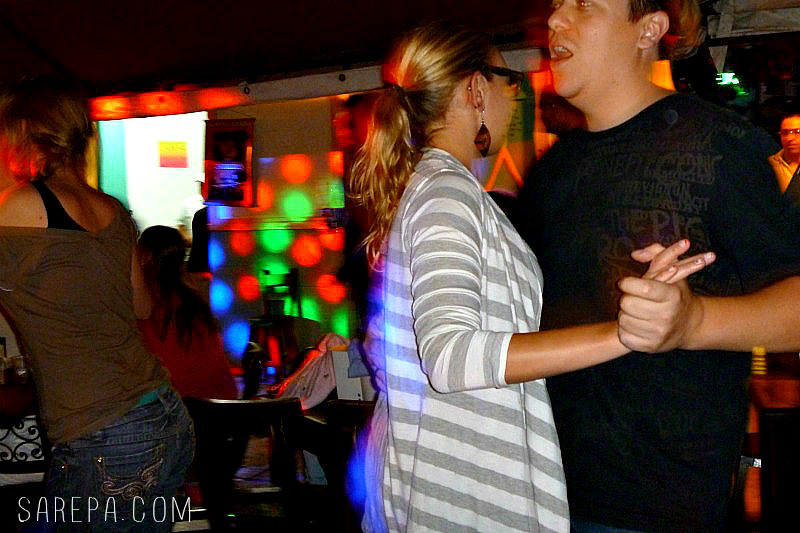
Christmas Eve is a little different in Colombia than in other countries; is not the spirit of relaxing but cheering and rejoice. On Christmas Eve family members and neighbors gather to eat and dance.
This night is a party, dancing to many rhythms like salsa, merengue, cumbia, porro, reggae, etc. People are celebrating the birth of Jesus. At midnight, the party is interrupted to open the presents (the gifts that family and friends give each other). After the gifts are shared and opened, the party continues till dawn (if you get there).
Children are sent to their rooms to go to sleep so Baby Jesus can bring then their gifts. El Niño Jesus (Baby Jesus) brings the presents.


Traditional Colombian foods include:
 Ajiaco is a stew made primarily of chicken, corn, hot peppers, and potatoes. Ajiaco is a slightly stronger contender for the national dish of Colombia since it’s heavily consumed in more regions of the country, but it still hasn’t been officially selected by the government. Luckily, you don't need government permission to eat this spicy Andean specialty, as it holds a permanent spot in the comfort food pantheon of Colombia. It has a slightly grassy, earthy flavor due to the addition of guascas, an herb common to the area around Bogota. |
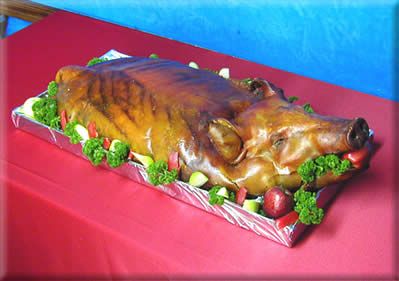 Lechona is a roast pig stuffed with rice, yellow peas, potatoes, onions, and spices. Served on many a special occasion in the region of Tolima and elsewhere in the country (especially on Colombian Independence Day), lechona is essentially a suckling pig roasted with vegetables and spices, and then carved up with rice. The crispy skin of the pig is highly valued and is served alongside the platter as a tasty accoutrement to a dish that’s pretty much already going whole-hog. |
 Tamales are a corn masa, meat, and veggies wrapped up snugly in a banana or plantain leaf. We may think of tamales as being a distinctively Central American food, but the truth is that they’re present all over the Latin American world. The Colombian iterations are noticeably larger than their Mexican brethren, as their corn husks have been substituted with plantain leaves. Pour a cup of hot chocolate next to it, and you've got yourself a common Colombian breakfast. |
 Hojuelas (Fried Puff Squares) are a fried pastry revered by Colombians and other Latin cultures, particularly at Christmas time. These thin and crispy strips of dough are straightforward concoctions of egg, flour, sugar, milk and salt. After a deep frying, they are often drizzled in a simple syrup of butter, brown sugar, ginger, nutmeg and cinnamon, then dusted in a fine coating of powdered sugar. |
 Natilla is the most popular Christmas dish and is eaten along with buñuelos and "manjar blanco", and it resembles a flan or pudding. Some of the ingredients include milk, "panela" (blocks of brown sugar), cinnamon sticks, and flour or cornstarch. Traditionally people like to add grated coconut but it's an optional ingredient. To garnish it, powdered cinammon is spread on top of the finished natilla. Natilla is found all throughout the Christmas season. |
 Buñuelos are fritters, are made with a small curd white cheese and formed into doughy balls then fried golden brown. It is a traditional Christmas dish, served along with natillas (a custard-like pudding). Colombians love their buñuelos which are served any time of year and any time of day. They even have street stands dedicated to making and selling buñuelos in every city. Yes, Colombians are crazy about these round, fried cheesy, doughy balls. |
 Pernil Asado (Roasted Pork Leg) is one of the most traditional holiday dishes in Colombia and other Latin American countries. It is pork leg, marinated in a sauce made with beer, onion, garlic, scallions, red bell pepper, achiote, cumin, then slow roasted in the oven for several hours. The leftovers are even better the next day for making sandwiches! |
 Sabajón is a creamy, rich and delicious drink popular during the Christmas season, but is also enjoyed throughout the year and at other special celebrations around the country. It is the Colombian version of eggnog, spiked with Aguardiente (firewater), a strong alcoholic drink made from anise and sugar cane or rum. |
 Sancocho is a traditional food in Colombia made with many kinds of meat (most commonly chicken, hen, pork ribs, and fish) with large pieces of plantain, potato, yuca and/or other vegetables such as tomato, scallion, cilantro, and mazorca (corn on the cob). It is also served with a side of sliced avocado and a plate of white rice. |
December 25th
Traditionally, "El Niño Jesus", the Christ Child is the one who would bring you the gifts. But recently Santa Claus has been introduced as a gift giver as well. Children get up on Christmas morning and find gifts at the foot of their beds. Christmas trees are in the house but mostly used for decorations.
The 25th is a day of relaxing. Kids open the presents Baby Jesus brought them, and the adults relax from a month of shopping, malls, lots of people and from a big party.
In the afternoons, families might take a trip to the country side to have a picnic and play some games by a lake, river, park, or a field. Picnics in Colombia consist of cooking sancochos, steaks, chicken, potatoes, yuca, ...


December 28th
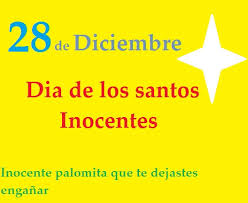
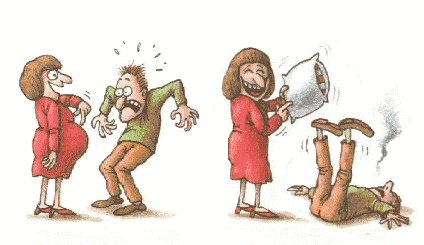
In order to continue with the festivities, the 28th of December is known by all as the "Day of Innocent" (el Día de los Inocentes) - similar to April Fool's Day. Plenty of jokes are done between friends and relatives. In this day, you can easily win the lottery, you'll be told that your house is on fire, or any other "innocent" trick.
For several years the television newscasts have been showing bloopers they have made throughout the year, and that thanks to editing have never been seen. The written press contributes to this day by publishing a newspaper with plenty of sarcastic news maintaining very good humor. Many of the news appear to be true, and people tend to believe it. Later in the day people know it was a joke when someone tells them "pásela por inocente" (you passed for innocent or naïve).

December 31st
New Year Celebration in Colombia
The celebration of the 31st of December reunites the families with the hope of a New Year full of successes and prosperity. This is a night of partying, a party as big or even bigger that Christmas Eve.
El Muñeco del Año Viejo (Old Year Doll)
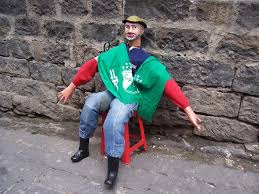
Another one of the traditions that continues year after year, is the famous Old Year doll (el Muñeco del Año Viejo). This doll is generally made in the countryside and towns and popular districts. They are made with used clothes, stuffed with rags or sawdust, holding a bottle of aguardiente if he is male or using high heels and lingerie if she is a female. These dolls are seated on the sidewalks or the sides of the road, where they remain until the moment arrives for being burned, at midnight.
Until recently, the night sky of the Colombian cities was covered with thousands of colorful explosions and loud blasts of the fireworks, as if the people are trying to drown their suffering from the year that ends.




Los Agueros (The omens)
One of the traditions that have the most intensity in Colombia. In the matter of omens, there is everything: from looking for the perfect love to offers of prosperity, health, money or trips in the New Year.
The way to put in practice these superstitions is well simple and it only requires of spirit to obtain the ingredients and to apply them in agreement with the “prescription".
This are some of the omens more used by Colombians and who according to those who apply them, are very effective. And it is that on this subject nobody seems to have the last word, neither those that practice all, nor those that do not use any. The certain thing is that they are a very strong tradition in Colombia that conserves a high number of followers.
When it is announced that it is five seconds to midnight, the friends of the omens try to fulfill one hard test of resistance.
- They have to drink a cup of champagne that they hold with the right hand;
- They eat 12 grapes, while they request equal number of wishes;
- They run around the block with a suitcase;
- They wear yellow underwear;
- They kiss a person of the opposite sex;
- They watch the future in an egg;
- They get card readings;
- They read the future in one peeled potato;
- They distribute (wheat) ears and they sing popular sayings.
Culturally the omens are popular beliefs that are repeated generation in generation and that are adapted to the necessities of those who put it in practice in different places and times.
The omens that are known and practiced in Colombia, most of them had their origin in France, where they were imitated by the Spaniards soon to be 'inherited' by the towns conquered by them. Colombian omens for the majority are the best way to wait for the New Year with the family, in the middle of a party and, obviously, standing. And it is that if the New Year comes with you lying down or sleepy, you will have bad luck, bad health and little money. For that reason, the celebration of the New Year is organized with extreme care by all the families, according to their economic possibilities and including at least one of the traditional omens.



January 1st
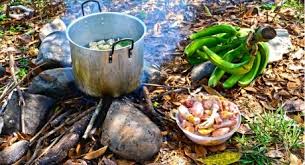
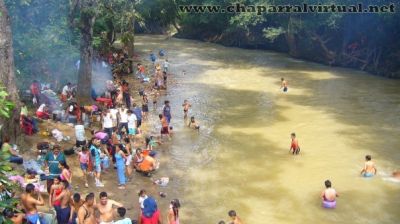
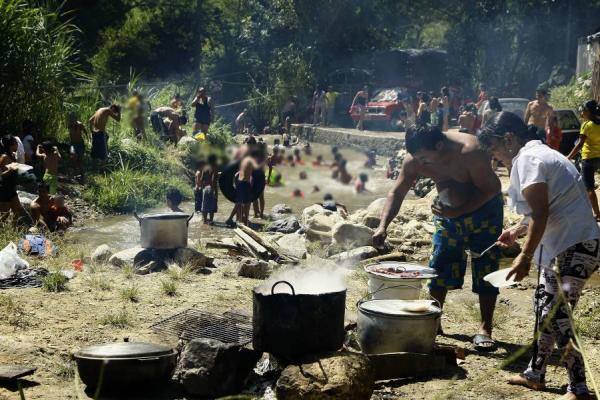
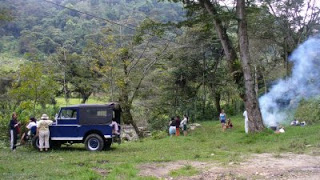
On th 1st of January people do the popular "stroll of the pot" (paseo de la olla). This is a "pilgrimage" families make to the sea or the river (or the swimming pool) or a prairie or park where they will let their hangover pass. They stay for the whole afternoon near the water or on the grass and next to the heat of a good plate of food and a good amount of refreshments and beers. In addition to eating, they play games such as soccer, and fly kites.


January 6th
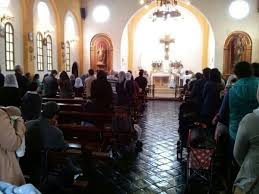
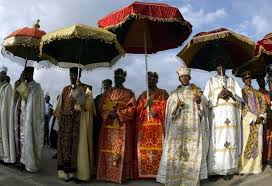
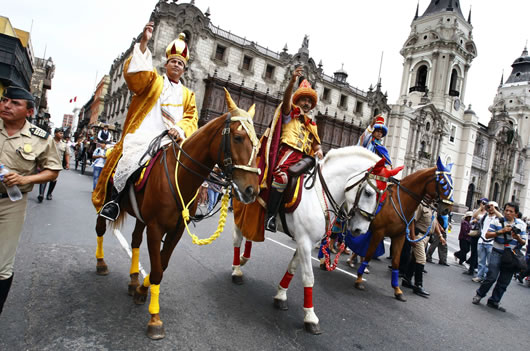
Another national holiday, the Epiphany, and represents the day when the wise men reach the Nativity with their giftss. Some people also give gifts on this day but December 25th is still the main holiday nationally and within the Catholic community.
The Epifanía
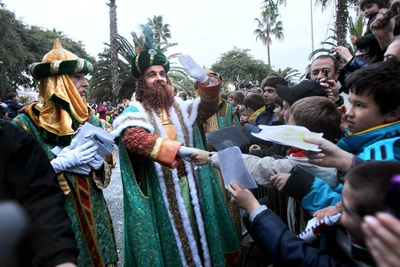
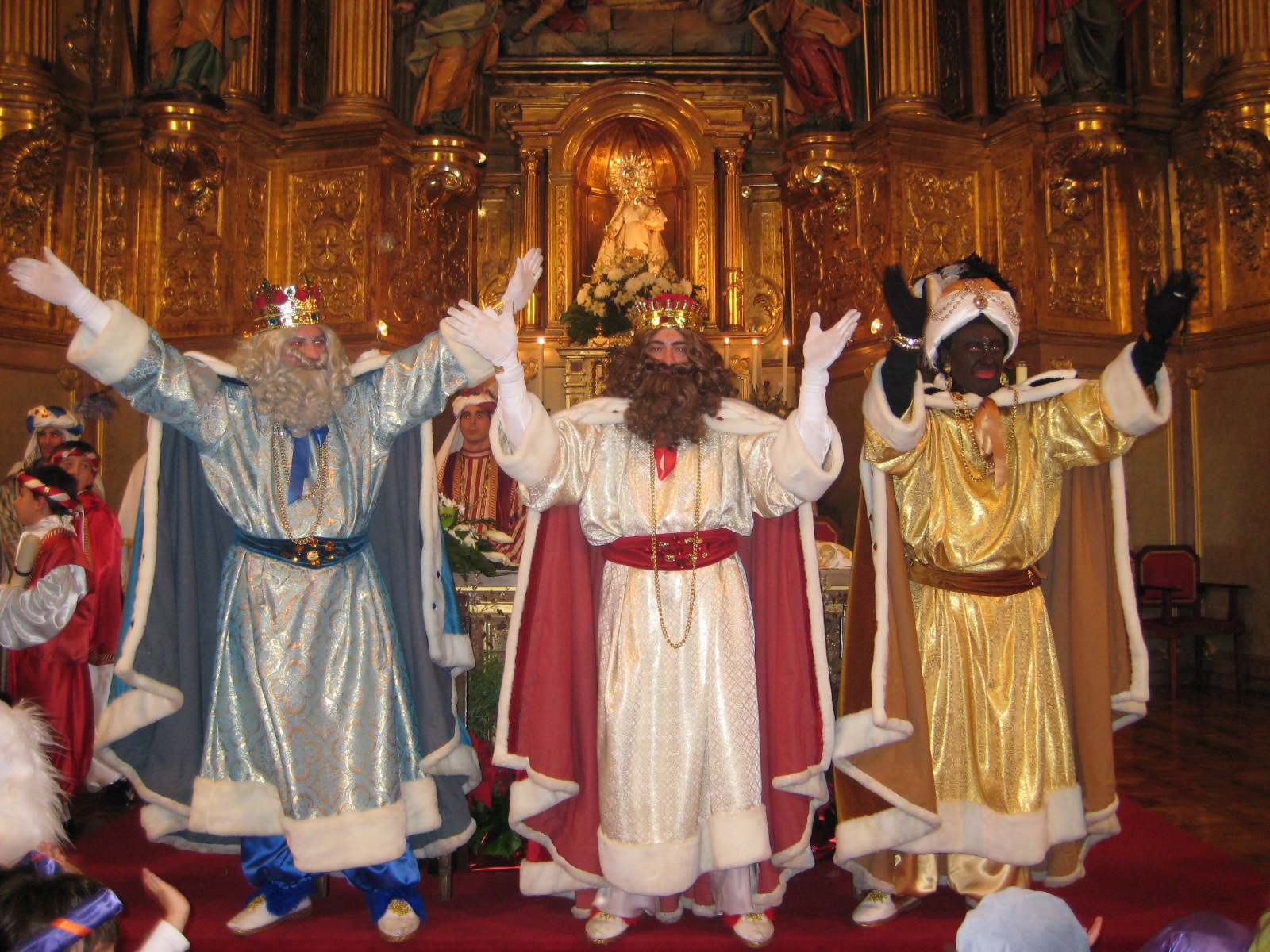
In many places of the world, but especially in Spain, it is accustomed that the 6th of January, day in which the arrival of the wise men is celebrated, the children receive gifts. This is explained by the legend according to which the wise men, after visiting baby Jesus, started off through the roads distributing the rest of their treasures.
This day the celebration of the Epiphany is celebrated, that means "revelation of Christ to the kings", who brought incense, myrrh and gold, presents that symbolize wisdom, prayer and sacrifice. The praise of the wise men for Jesus, along with the one that the shepherds of Bethlehem did, demonstrates the respect of humanity towards the Son of God, without making a distinction according to race or social class.
The catholic celebration includes the blessing of gold, incense, myrrh and salt. The homes also are blessed and incensed.
January 7th
The Christmas season is over. Everything goes back to normal, decorations go down, people go back to work. Schools are still on vacation until early February when they start the new academic year.